
Almost everyone has had the same experience. You see a photo of yourself and think, is that really what I look like? Meanwhile, some people seem to step in front of a camera and look completely at ease. The difference is almost never about being more attractive or more photogenic. It is about knowing a few simple things to do with your body, and most of them take about five minutes to learn.
The good news is that you do not need to be a model, and you do not need to memorize a hundred rules. A handful of small adjustments to your hands, your posture, your chin, and your smile will change your photos more than you would expect. Here is how to pose for pictures so you look natural, confident, and like yourself.
Why Do I Look Awkward in Photos?
If you feel awkward in photos, it is usually for one of three reasons, and none of them is how you look. You do not know what to do with your body, so you freeze. You are holding tension in your shoulders and face because you feel watched. Or you are comparing a still photo to the moving, three-dimensional version of yourself you see in the mirror every day.
A camera flattens you into a single frozen moment, which is why a tiny bit of intention goes such a long way. When you give your body a little direction, that frozen moment suddenly looks relaxed and natural instead of stiff. That is all posing really is: small adjustments that help a still image look like the real you.
What Should I Do With My Hands?
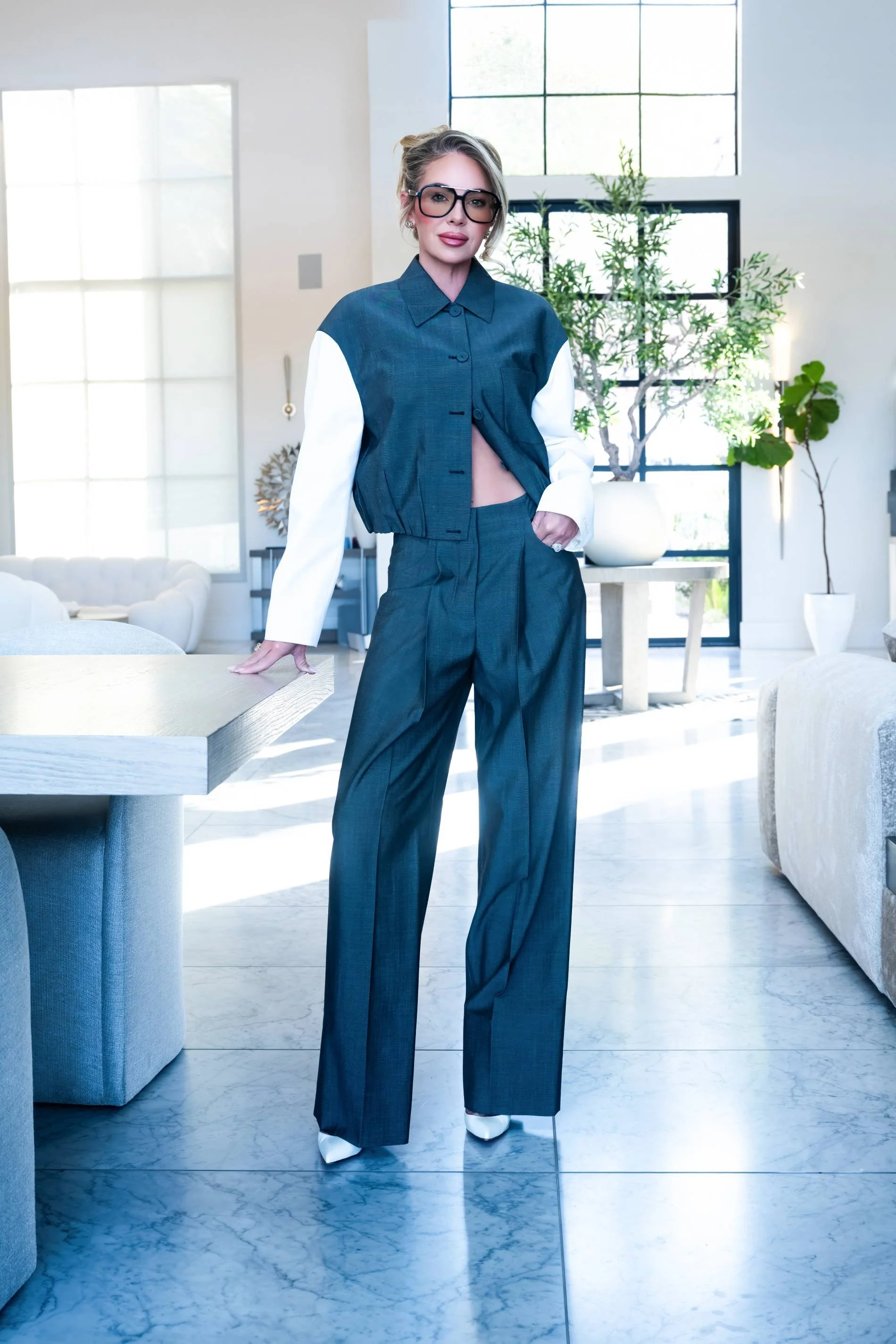
Hands are the number one thing people struggle with, because when you do not know where to put them, they tend to hang stiffly or press flat against your body. The fix is to give your hands something gentle to do:
Rest a hand lightly on your hip, which also creates a flattering line at your waist.
Slip a hand partway into a pocket, leaving the thumb out so it looks relaxed, not stuffed.
Lightly touch your collar, a necklace, or your hair for a natural, candid feel.
Keep fingers soft and slightly separated, never tense or fully splayed toward the camera.
Avoid pressing your arms flat against your sides, which makes them look wider than they are.
The goal is relaxed, not posed. If your hands feel busy but soft, they will photograph beautifully.
How Do I Stand to Look My Best?
Standing square to the camera with your weight evenly planted is what makes most people look stiff. A few adjustments instantly add ease and shape:
Turn your body slightly, roughly three quarters toward the camera, instead of facing it straight on.
Shift your weight onto your back foot, which relaxes your posture and creates a natural line.
Stand tall and roll your shoulders back and down, lengthening your neck.
Leave a little space between your arms and your body so your frame looks open, not compressed.
These small shifts work for everyone, in a branding session or a family portrait, and they are the quiet reason some people always look polished in pictures.
What Should I Avoid Doing in Photos?
Sometimes knowing what not to do is just as helpful. A few common habits quietly make photos feel awkward, and they are easy to drop once you notice them:
Facing the camera dead-on with your weight evenly planted, which flattens your shape.
Pressing your arms tight against your sides, which makes them look wider than they are.
Tilting your chin up, which tends to emphasize the under-chin and nostrils.
Holding a frozen, tense smile, which rarely looks like your real one.
Stiffening up and holding your breath, which shows as tension in your shoulders and jaw.
You do not need to fix all of these at once. Even dropping one or two makes an immediate difference.
Does Posing Work the Same When Sitting Down?
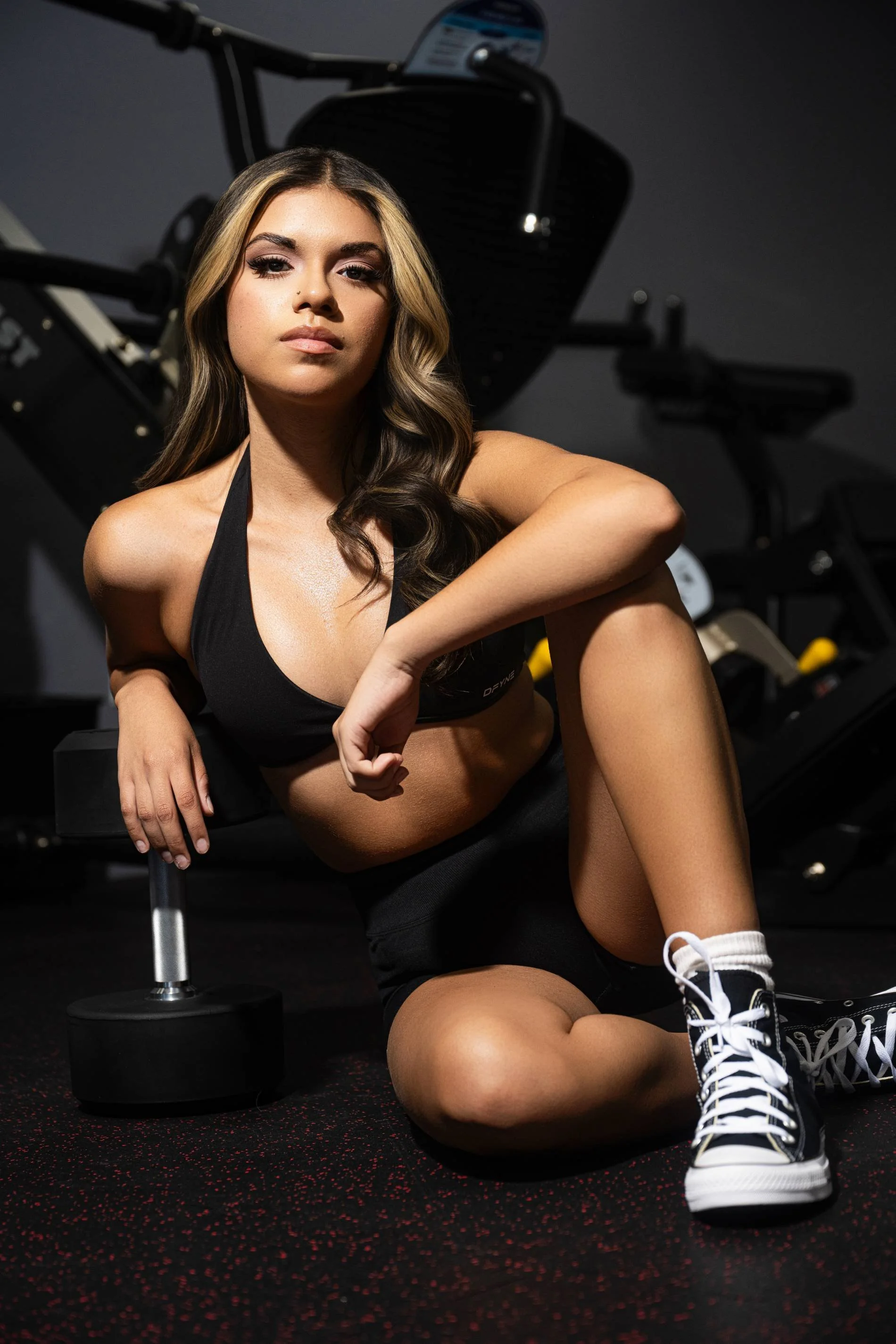
Seated poses follow the same ideas, with a couple of small tweaks. Sit toward the front edge of the chair rather than sinking all the way back, which keeps your posture tall and engaged. Lean slightly forward from the hips, since leaning in reads as warm and interested, and keep a little space between your arms and your body.
Crossing your ankles or angling your knees to one side creates a relaxed, intentional line instead of a straight-on, blocky look. The same rule applies as always: a slight angle almost always photographs better than facing the camera straight on.
How Should I Position My Face and Chin?
This is the tip that surprises people most, because it feels strange to do and looks fantastic in the photo. To define your jaw and avoid the dreaded double chin, slowly push your forehead a little toward the camera and bring your chin slightly down and forward. It feels unnatural in the moment. It looks confident and defined in the image.
A good photographer will guide you into this so you do not have to think about it, but even knowing it exists helps. Combine it with a slight turn of the head rather than facing straight on, and your features instantly look more dimensional.
How Do I Smile So It Looks Natural?
A forced smile is easy to spot, because a real smile does not just involve your mouth, it reaches your eyes. Research reported by Earth.com found that the little crinkles around the eyes are exactly what make a smile read as genuine and sincere, rather than posed.
So instead of holding a stiff grin, think of something that actually makes you laugh, or picture someone you love. A good photographer will often make you laugh on purpose for the same reason. If a full smile is not your style, a soft, relaxed expression with a little life in the eyes photographs just as well. The secret is always the eyes, not the teeth.
How Do Women Often Pose for Flattering Photos?
While good posing is universal, a few adjustments tend to be especially flattering, and they all come back to creating length and gentle angles rather than straight-on, flat lines:
Define your waist by resting a hand on your hip or placing a hand lightly at your side.
Create angles, such as a slight bend in one knee or a soft turn of the shoulders.
Elongate your neck by lowering your shoulders and lifting through the top of your head.
Cross your ankles or shift your weight when seated to create a relaxed, intentional line.
Lead slightly with one shoulder rather than squaring both to the camera.
None of this is about hiding anything. It is about showing the most natural, confident version of you.

How Do I Pose in Group or Couple Photos?
Group and couple photos come alive when people actually connect, rather than lining up side by side. Stand close enough to slightly overlap, turn gently toward each other, and let there be real contact: a hand on a shoulder, an arm around a waist, or simply leaning in.
Genuine interaction is what makes these images feel warm instead of staged. A good photographer will often prompt a little movement or conversation so the group relaxes, and those in-between moments, a shared laugh or a glance, are usually the ones everyone loves most.
What If I Feel Stiff or Nervous?
Feeling nervous is completely normal, and the fix is usually movement, not more posing. When you freeze and hold a pose, tension shows. When you move a little between shots, you relax. Shake out your hands, take a breath, roll your shoulders, and reset.
As NPR noted in a helpful guide on how to pose for the camera with confidence, confidence in photos comes far more from feeling at ease than from any single perfect position. This is also the real advantage of working with a photographer who guides you. They keep you moving, make you laugh, and catch the relaxed in-between moments that always look the most natural.
How Do I Pose for Professional or Branding Photos?
Professional and branding photos follow all the same principles, with one addition: intention. You want to look approachable and credible, so a confident posture, a genuine expression, and relaxed hands do most of the work. A slight lean toward the camera reads as engaged and interested, which is exactly how you want potential clients to perceive you.
It also helps to think about where the photo is going. A clean, straightforward pose suits a headshot or profile, while a little more movement and personality suits branding and editorial images. If you would like to see how a guided session handles all of this for you, there is more on our blog.
Do I Really Need to Memorize All of This?
Not at all, and this is the most reassuring part. You can absolutely use these tips on your own, for a quick photo with friends or a self-taken headshot. But in a real portrait session, you do not have to remember a single one of them.
A professional photographer poses you. We watch your hands, your posture, your chin, and your expression, and we guide you through small adjustments one at a time, so you never have to think about it. With Jaqueline Andrea Productions, your only job is to show up and relax. The posing is ours to handle.
Frequently Asked Questions
How do I pose for pictures if I am not photogenic?
Being photogenic is mostly about knowing a few small adjustments, not about how you look. Relax your hands, turn slightly instead of facing the camera straight on, lengthen your neck, bring your chin slightly down and forward, and let your smile reach your eyes. Those changes help almost everyone.
What should I do with my hands in photos?
Give them something gentle to do: a hand on your hip, partway into a pocket with the thumb out, or lightly touching your collar or hair. Keep your fingers soft and slightly separated, and avoid pressing your arms flat against your body.
How do I smile naturally in photos?
Let the smile reach your eyes. A genuine smile creates small crinkles around the eyes, which is what makes it read as sincere. Think of something that makes you laugh rather than holding a stiff grin, and the expression will look real.
How should I stand to look thinner or more flattering in photos?
Turn your body about three quarters toward the camera, shift your weight to your back foot, leave a little space between your arms and your body, and stand tall with your shoulders back and down. These create natural lines and an open, confident frame.
Do I need to know how to pose before a professional session?
No. A professional photographer poses you, guiding you through every adjustment one step at a time. You do not need any experience. Your only job is to show up and relax while we handle the rest.
What should I avoid doing when posing for photos?
Avoid facing the camera straight on with even weight, pressing your arms flat against your body, lifting your chin too high, and holding a tense, frozen smile. Small, relaxed angles and genuine expressions almost always photograph better.
Want Someone to Do the Posing For You?
Knowing these tips helps, but the easiest way to love your photos is to have a photographer guide you through every pose, expression, and angle. Let's plan a session where all you have to do is show up.